Dijon Wine Facts: A Thousand Hectares, Kilometre Zero and the Climats
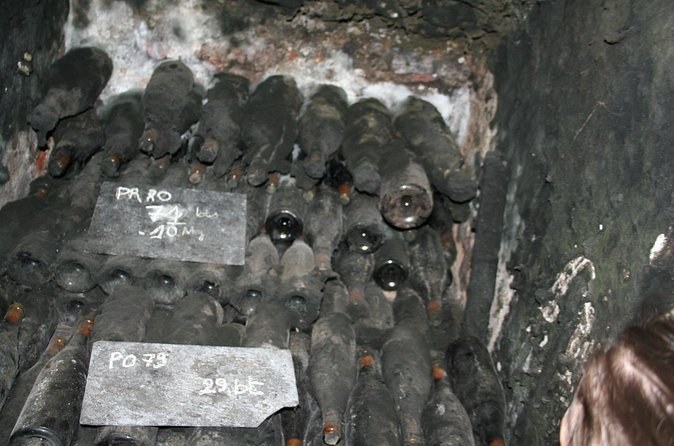
The short answer. Dijon once grew more than a thousand hectares of vines inside the city, lost them to houses, and is planting them back. It is kilometre zero of the Route des Grands Crus, its historic centre is part of the UNESCO listing of the Climats, and most of the wine made around it is white. Here are the figures, each from an official source, and what each one changes about your visit.
The figures at a glance
| Fact | The figure | Source |
|---|---|---|
| Vines once inside Dijon | More than 1,000 ha | Dijon tourist office |
| Vines the city farms again | 8 ha at La Cras | Dijon tourist office |
| Marsannay's appellation | 600 ha | Dijon tourist office |
| Burgundy's appellations | 84, of which 33 Grands Crus | BIVB |
| Climats listed by UNESCO | 1,247, in 2015 | UNESCO |
| Share of the vineyard in Chardonnay | 57% | BIVB |
| Wines by the glass at the Cité | 250 | The Cité |
A fact is only worth reading if it changes what you see. We chose these because each one sits on a real stop of a real day. When you are ready to pick a Dijon Wine tour, the fares for the days that visit them close this post.
1. Dijon had more than a thousand hectares of vines
Until the late 19th century, more than a thousand hectares of vines grew inside the city. Houses and roads replaced them. The only visible trace is the bronze grape-picker on the fountain in place François Rude.
2. Its wines once rivalled Meursault
Until the 18th century, Dijon crus such as Les Marcs-d'Or, Les Champs-Perdrix and the hamlets of Larrey stood beside the great whites of Meursault. You can taste Meursault on a day tour today; you cannot taste a Marcs-d'Or. That may change.
3. The city bought a vineyard in 2013
Dijon Métropole bought the Domaine de La Cras, a chalky, south-facing plateau about 400 metres up. Marc Soyard farms its 8 hectares in Chardonnay and Pinot Noir, as red, white and rosé Bourgogne. The Métropole plans to replant 50 of the 300 hectares zoned for the appellation, and to set 2.5 hectares aside to test both grapes against a warmer climate.
4. The route begins at kilometre zero, in town
The Route des Grands Crus starts in Dijon and runs to Beaune and Santenay. The Cité internationale de la gastronomie et du vin stands at its first kilometre, so the road to the Grand Cru villages begins a short walk from the station.
5. The centre of Dijon is part of a World Heritage listing
When UNESCO listed the Climats of Burgundy in 2015, it listed two things: the vineyard parcels on the Côte de Nuits and the Côte de Beaune, and the historic centre of Dijon, where the rules that named them were made. It names the Palais des Ducs as one trace of that system. The listing is the Climats and the town, not the road between them.
6. Burgundy is mostly white
Red Pinot Noir made the Côte de Nuits famous, but the BIVB puts Chardonnay on 57% of the region's vines and Pinot Noir on 34%. By volume, whites are 62% of what is made, reds 29%, and Crémant de Bourgogne 8%. So a day on the Côte de Beaune is closer to the Burgundy most people drink.
7. A Premier Cru is not an appellation of its own
Burgundy has 84 appellations: 7 Régionale, 44 Village and 33 Grands Crus. The Premiers Crus are climats inside the Village appellations, so they carry the village name first. The BIVB's own count is the one to trust.
8. The Clos de Vougeot is one field inside one wall
Monks of Cîteaux founded the Clos de Vougeot in the 12th century. Its wall still closes almost 51 hectares, and the Confrérie des Chevaliers du Tastevin has used the château since 1945. You can go inside every day of the year.
9. The third grape is the one you taste by the lake
Aligoté covers 6% of the region's vines. On the city ride from rue Monge it is the glass you are poured beside Lac Kir, with a Burgundy sweet.
10. The Cité pours more Burgundy than any cellar in town
Its wine bar holds 3,000 references, 1,000 of them Burgundy, and pours 250 by the glass every day. Entry to the Cité is free; its exhibitions and the École des vins workshops are ticketed.
11. The tower took 316 steps to see it all
The Tour Philippe le Bon, the ducal watchtower above the town hall, was finished in 1460. Its terrace sits 46 metres up, and on a clear day you look south toward the vineyards. The guided climb takes 45 minutes and costs from EUR 6.
12. The Hospices sell their wine by auction
The Hospices de Beaune own about 60 hectares and sell the wine at auction on the third Sunday of November. The 166th sale falls on 15 November 2026; the bidders are professionals, but the weekend's tastings are open to everyone.
13. The city's emblem is an owl you touch for luck
The owl trail runs from Place Darcy, where several wine days meet, to a small owl carved on a buttress of the church of Notre-Dame. Legend says you stroke it with your left hand and make a wish. The walk takes you past the Palais des Ducs on the way, so it fits between a cellar session and dinner.
What these facts mean for your day
- A day on the Côte de Beaune puts the region's main grape in your glass.
- Only one private day pays your entry to the Clos de Vougeot.
- The city ride's glass of Aligoté is the cheapest way to taste the third grape.
- Your walk through the centre is a walk through the World Heritage listing.
Every village and appellation is laid out on Dijon's wine country page, and the tower and the Cité on things to do in Dijon. For labels and pacing, read the first-timer's guide.
Days built on these facts
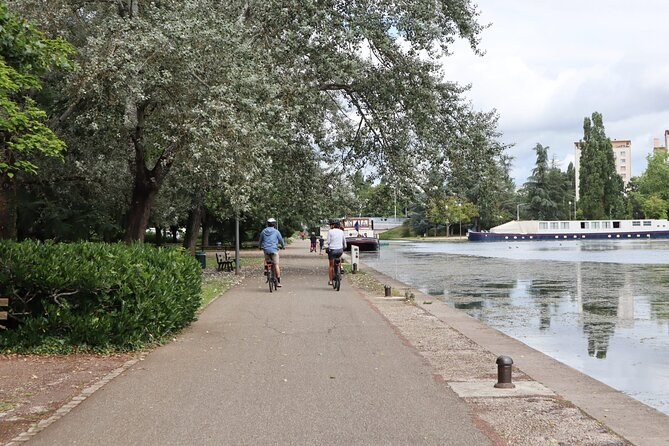
Dijon City Tour by Bike
Two and a half hours by bicycle from 78 rue Monge at 2:30 pm, past Les Halles and the ducal palace to Lac Kir for a glass of Aligoté. Non-refundable once booked.
From $63 per person
Check Availability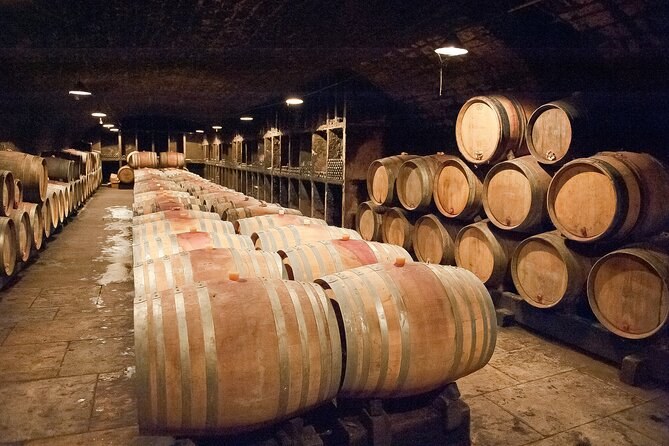
Multi Day Private Tour Prestige Burgundy with 12 Premiers & Grands Crus
Two private days from Dijon or Beaune: Marsannay to Gevrey-Chambertin, Vougeot and Nuits-Saint-Georges, then Beaune, Aloxe-Corton and Meursault, with both lunches in the fare. Dinner and hotel are yours.
From $1,378 per person
Check Availability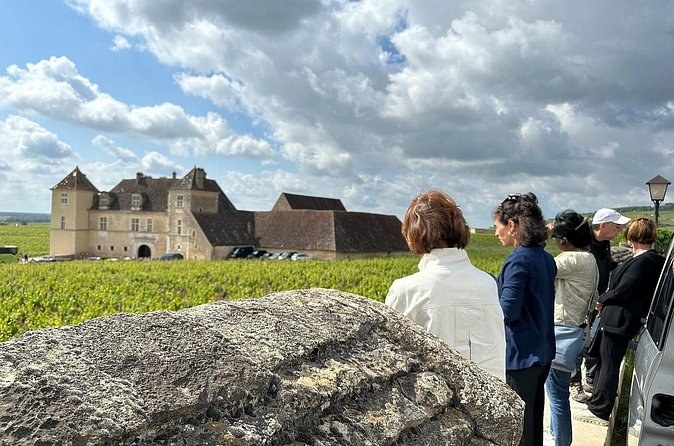
Private day tour in Burgundy : Côte de Beaune & Côte de Nuits
A private day from your Dijon or Beaune hotel at 9 am: an hour inside the Clos de Vougeot with the entry paid, eight wines at two family estates, and lunch in Beaune at your cost.
From $680 per person
Check AvailabilityNext: Choose a côte in Côte de Nuits vs Côte de Beaune. Every fare sits side by side on Dijon Wine Tours.