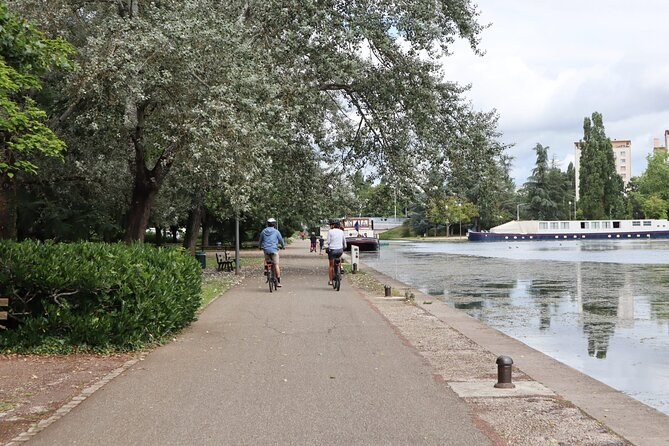
Dijon City Tour by Bike
Two and a half hours by bicycle from 78 rue Monge at 2:30 pm, past Les Halles and the ducal palace to Lac Kir for a glass of Aligoté. Non-refundable once booked.
From $63 per person
Check AvailabilityDijon is where your wine day starts and ends, so the hours on either side of a tour are yours to fill. You can drink by the glass at the Cité, climb the ducal tower, follow the owl through the old town, and ride a bike to Lac Kir. Plan them around your dijon france wine tours.
Most of it is free or close to it. Dijon's historic centre is part of the UNESCO listing of the Climats of Burgundy, and the whole centre is pedestrian, so you walk between everything below.
The Cité internationale de la gastronomie et du vin sits at 12 Parvis de l'UNESCO, about 10 minutes' walk from the station and 15 from the old centre. Tram T2 stops there too. Entry is free, and you pay only for exhibitions and workshops.
It stands at the first kilometre of the Route des Grands Crus, the wine road south to the Clos de Vougeot, Nuits-Saint-Georges and Beaune. So it is a fitting first stop before a day on the Côte. The desks keep two sets of hours through the year.
| Desk | 1 May to 30 September | 1 October to 30 April |
|---|---|---|
| Ticket desk (exhibitions) | Daily 9:30 am–7:30 pm | Mon–Fri 11 am–5:30 pm; Sat–Sun 10 am–5:30 pm |
| Exhibitions | Ask the desk for summer hours | Mon–Fri 11 am–7 pm; Sat–Sun 10 am–7 pm; last tickets 5:30 pm |
| Tourist desk “1204” | From 1 April daily 9:30 am–7:30 pm | Mon–Fri 11 am–7 pm; Sat–Sun 10 am–7 pm |
| Closed | 1 May | 25 December and 1 January |
Inside you also find the exhibitions, the chapel of Sainte-Croix de Jérusalem, built in 1459, a cinema and a food court. The exhibition "À la table des Français" is one of them.
The Cave de la Cité pours 250 wines by the glass every day. It holds 3,000 bottle references, and 1,000 of them are Burgundy. You can taste a Côte de Nuits red beside a Côte de Beaune white without leaving town.
The École des vins de Bourgogne, run by the BIVB, holds paid workshops. They include an introduction to tasting, food and wine pairing, and a class on Burgundy's terroirs. Hours vary by workshop, so check the Cité's calendar for your date. If you want a seated tasting with a host instead, see wine tastings in Dijon.
The Palais des Ducs et des États de Bourgogne is Dijon's emblem. It now houses the town hall. The place royale in front was laid out as a half-circle by Jules Hardouin-Mansart.
Above it rises the Tour Philippe le Bon, a 15th-century watchtower finished in 1460. You climb 316 steps to a terrace 46 m up, on a guided visit of 45 minutes. It runs daily from 10:30 am in French and English, from EUR 6, for 18 people at most, and the Dijon City Pass covers it.
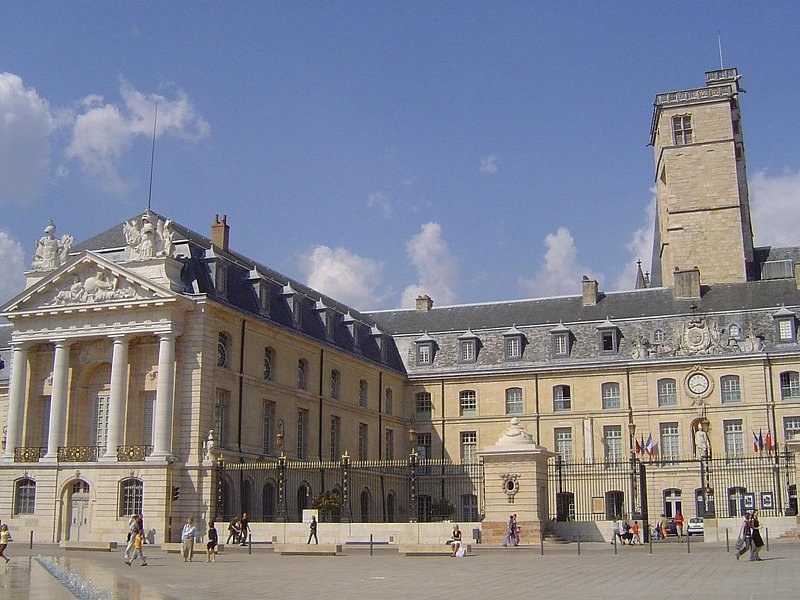
Climb it the day before a tour, and you look out over the city you will leave for the Côte the next morning.
The owl, la Chouette, is Dijon's lucky charm. A marked trail leads you from Place Darcy through the old centre. It ends at the original owl, carved on a buttress of the church of Notre-Dame.
Legend says you stroke it with your left hand and make a wish. Place Darcy is also the kerb for most shared tours, so you can walk the trail the afternoon before your day in the vines.
Dijon's covered market halls, Les Halles, stand in the centre. The city ride with a glass of Aligoté passes them on its way out. The tourist office names five Michelin-starred restaurants in the city.
Look for the specialities the city is known for: mustard, snails, crème de cassis, chocolate and pain d'épices. The rue Berbisey tasting sets a homemade gougère beside its wines, and La Source des Vins pairs four wines with four regional cheeses.
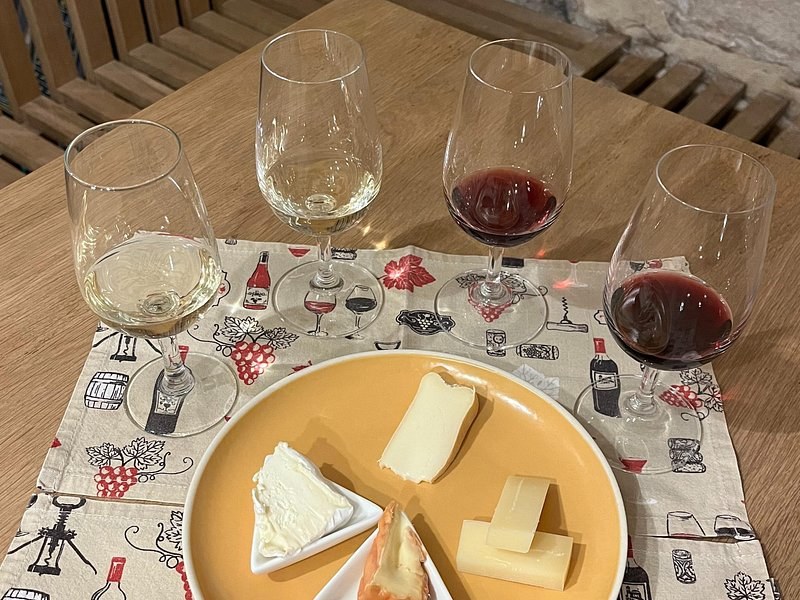
The Musée des Beaux-Arts has filled the palace's east wing since 1799. It shows 1,500 works in 50 rooms. Check its hours on the city museums' site before you go, because they are not printed with the tourist office's listing.
From the 14th century, Dijon grew its own wine on the slopes of the city, Chenôve and Marsannay-la-Côte. More than a thousand hectares of vines grew inside the city until the late 19th century, when the town built over them. The grape-picker on the fountain of place François Rude recalls that time.
The vines are coming back. Dijon Métropole bought the Domaine de La Cras in 2013, a chalky, south-facing plateau about 400 m up. Its 8 hectares grow Chardonnay and Pinot Noir for AOC Bourgogne red, white and rosé. Just south, Marsannay holds its own appellation, with 600 hectares of vines, and the Château de Marsannay pours in vaulted cellars.
Lac Kir is Dijon's lake. The city ride leaves the Bourgogne Évasion shop at 78 rue Monge at 2:30 pm. It passes Les Halles, the Musée Rude, Place de la Libération and the Palais des Ducs.
It ends by the lake with a 30-minute tasting: a glass of Bourgogne Aligoté for riders over 18, a soft drink for the rest, and a sweet from Burgundy. It lasts 2 hours 30 minutes and costs $63 a head. You cannot refund it, so fix your date first. More rides are on dijon bike wine tour.
Most wine days leave between 9 and 9:45 am and are back by about 5 pm. Here is how to fill the hours around one.
Before a 9 am start: walk the owl trail from Place Darcy, then meet your guide there. After a day on the Côte: a glass at the Cave de la Cité, 10 minutes' walk from the station. A free morning: the tower climb at 10:30 am, then Les Halles. A free afternoon: the city ride to Lac Kir at 2:30 pm, or a seated cellar tasting in the centre.
A seated cellar tasting in the centre lasts 1 to 1 hour 30 minutes and pours four to six wines.
The Cité's hours and cellar come from the Cité itself, the tower, the owl and the city vineyard from Dijon's tourist office, the museum from the city museums, and each tour from its own booking page. Verify before you travel.
Two and a half hours by bicycle from 78 rue Monge at 2:30 pm, past Les Halles and the ducal palace to Lac Kir for a glass of Aligoté. Non-refundable once booked.
From $63 per person
Check Availability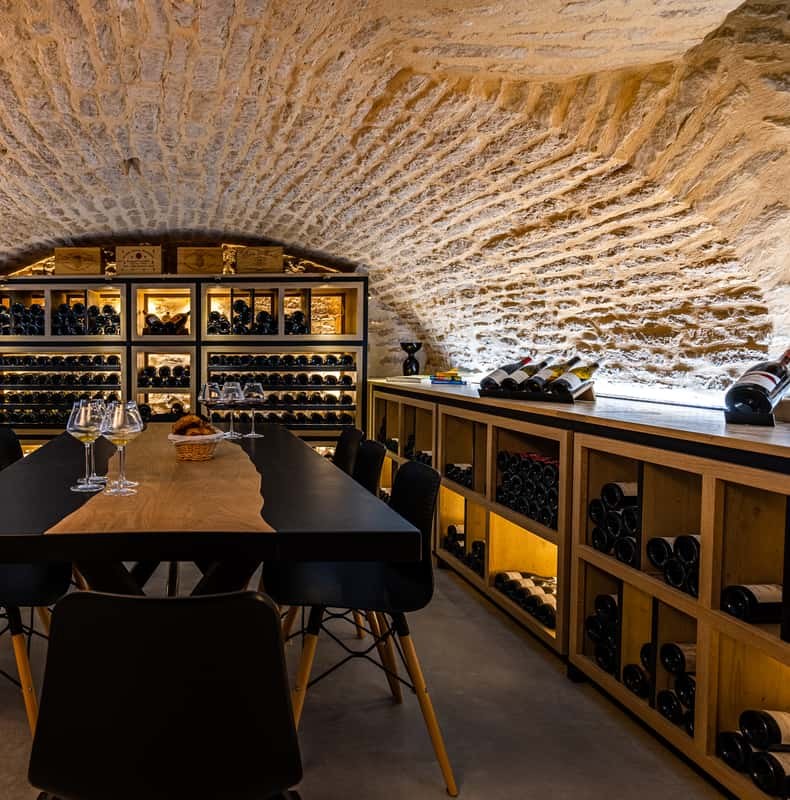
Ninety minutes seated in the vaulted cellar under the Hôtel du Palais, five minutes' walk from Place de la République: six wines, from a regional appellation up to a Grand Cru, explained as you taste.
From $62 per person
Check Availability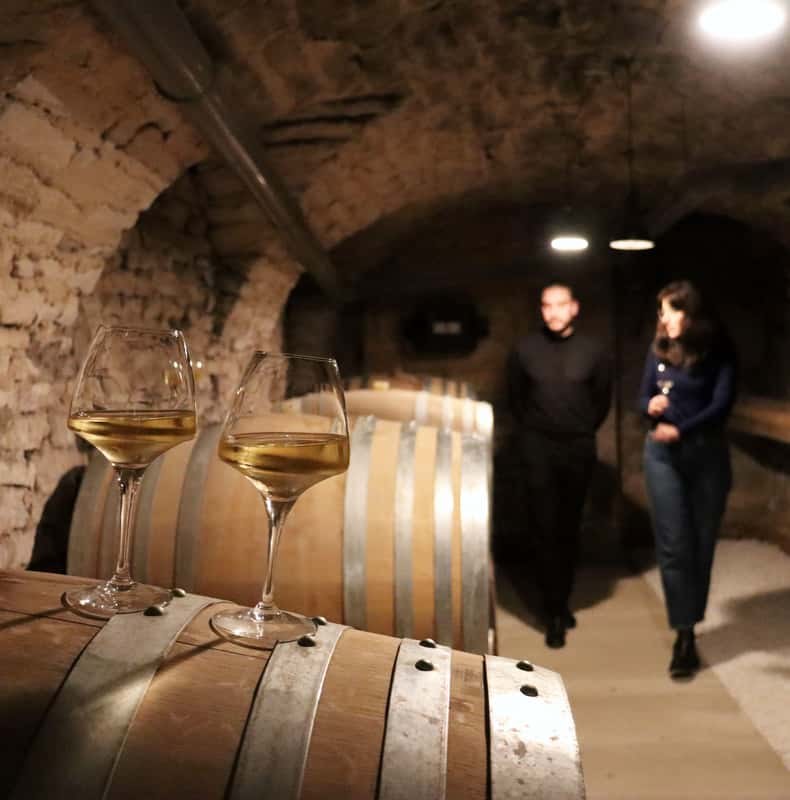
Ninety minutes at 32 rue Berbisey in a cellar from the 16th and 18th centuries: a Crémant, two whites and two reds, a tasting method, and a homemade gougère.
From $45 per person
Check AvailabilityNext: see the villages south of town on the vineyards page, choose a quarter on where to stay, or compare every tour on Dijon Wine Tours.