Dijon Wine Without a Tour: Where to Taste on Your Own
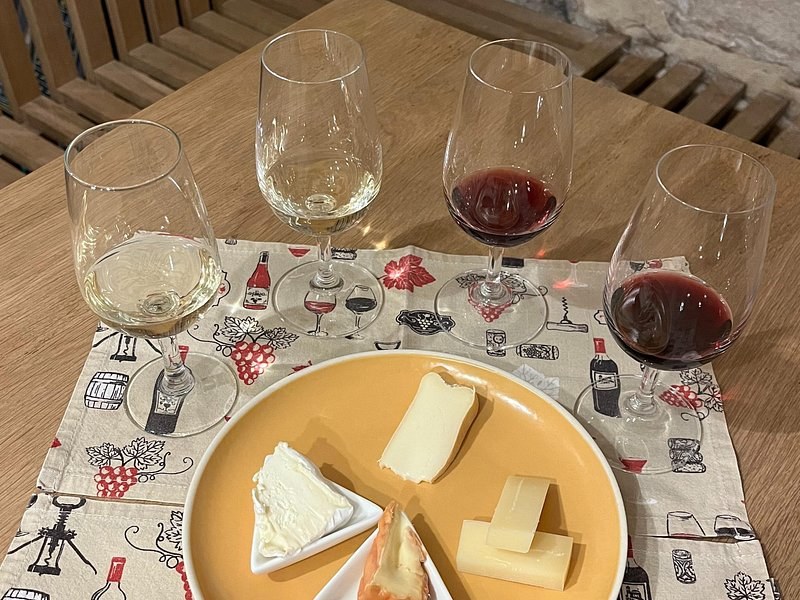
The short answer. In the city you need no tour at all. The Cité pours 250 wines by the glass with free entry, the École des vins runs paid workshops, and three cellars sell a seat at a guided tasting from $45. In the vines it is harder: the estates want a booking, and somebody has to drive. That is where a tour still earns its fare.
Plenty of visitors come to Dijon for the wine and never book a tour. If you want to taste widely, learn the labels and buy a few bottles, the city lets you do it on foot. The Côte is another matter, and knowing where that line falls saves you money on one side and a wasted day on the other.
Do you need a tour at all?
Not for a glass. Dijon is a wine city in its own right. It sits at kilometre zero of the Route des Grands Crus, its historic centre is part of the UNESCO listing of the Climats of Burgundy, and until the late 19th century more than a thousand hectares of vines grew within the city. You can taste its region without leaving the pedestrian centre.
You need a tour when you want to stand in a vineyard and taste in the cellar beneath it. The estates are a drive away, you need a visit arranged, and a tasting day leaves nobody fit to drive home.
| Way to taste | Where | What you get | Cost | Booking |
|---|---|---|---|---|
| The Cave de la Cité | The Cité | 250 wines by the glass | Per glass | Walk in |
| École des vins workshop | The Cité | A guided workshop | Ticketed | Book a session |
| Seated cellar tasting | Three cellars in the centre | 4 to 6 wines, a host | $45 to $62 | Book a seat |
| Tourist office wine walk | The old centre | A walk, then a tasting | Ticketed | At the tourist office |
| Château de Marsannay | Marsannay-la-Côte | Visits and tastings | On arrival | Check ahead |
| A day tour | The Côte | 2 or 3 wineries, a driver-guide | $112 to $254 | Book a seat |
What can you taste at the Cité's cellar?
The Cité internationale de la gastronomie et du vin sits 15 minutes' walk from the centre and 10 from the station. Access is free. Its Cave de la Cité holds 3,000 bottle references, 1,000 of them Burgundy, and pours 250 wines by the glass every day.
That is the widest tasting in Dijon, and you set the pace. Ask for a Côte de Nuits red and a Côte de Beaune white side by side, then a Marsannay from the city's own slopes. Pay by the glass and stop when you want. The ticket desk keeps summer hours from 1 May to 30 September, 9:30 am to 7:30 pm every day, and shorter ones in winter.
What does the École des vins teach?
The École des vins de Bourgogne is the wine board's school, and it sits inside the Cité. Its workshops cover a first introduction to tasting, food and wine pairing, and the region's terroir wines. Each runs to its own timetable.
A workshop suits you if you want method rather than volume. You learn to read colour, nose and finish, then taste with purpose. Prices and dates change by session, so check the Cité's site and book before you travel.
Which cellar tastings can you book by the seat?
Three cellars in the centre sell a guided session by the seat, with a host who pours and explains. These are the closest thing to a tour without a vehicle.
- La Cave du Palais. 90 minutes in a vaulted cellar under the Hôtel du Palais, five minutes from Place de la République. Six wines, from a regional appellation to a Grand Cru, for $62. Extra pours are on sale afterwards.
- Les Caves de La Fine Heure. 90 minutes at 32 rue Berbisey, in a cellar from the 16th and 18th centuries. A Crémant, two whites and two reds, a tasting method, and a Comté gougère, for $45.
- La Source des Vins. An hour opposite Saint-Bénigne cathedral, four Burgundy wines each paired with a regional cheese, for $55.
Every one refunds in full if you cancel 24 hours ahead. All three sit together on wine tastings in Dijon, with the times and the booking.
What about the tourist office's wine walk?
The tourist office runs a guided walk called "Dijon, terre des vins de Bourgogne", which ends with a tasting. It also lists a weekly tasting, the Jeudis Vins, in a venue that changes from week to week. Ask at the desk at 11 rue des Forges for the dates, the language and the price.
The desk opens Monday to Saturday, 9:30 am to 6:30 pm, and 10 am to 6 pm on Sundays and public holidays. A second desk works inside the Cité.
Good to know. Dijon grows wine again. The city bought the Domaine de La Cras in 2013, a chalky, south-facing plateau about 400 m up, and farms Chardonnay and Pinot Noir on its 8 hectares. The story is on the vineyards page.
Can you taste in Marsannay on your own?
Marsannay-la-Côte is the first wine village south of Dijon, with its own appellation and 600 hectares of vines. It is the Côte de Dijon's own appellation, and the first village name you meet on the road south.
The Château de Marsannay offers visits and tastings in vaulted cellars built in the Cistercian style. It makes a good first stop if you are driving yourself. Check its opening days before you set off.
How do you reach the vines by yourself?
By car, or on a bike if you are fit. The Route des Grands Crus starts at kilometre zero in Dijon and runs south through Gevrey-Chambertin, Vougeot and Nuits-Saint-Georges to Beaune and Santenay. The village names along it are the wine names on the labels.
Stop at the Clos de Vougeot, which opens every day. Its guided tour in English runs at 11:30 am and 3:30 pm for EUR 15, booked ahead. The walled vineyard covers almost 51 hectares, and inside you see the medieval presses and the vat-house.
The hard part is the estates. They are working cellars, so write ahead before you visit, and give the driver the day off from the glass.
What does a tour still solve?
Three things you cannot fix on foot. First, the booking: the operator arranges the estates, so you taste in cellars that would not answer your email. Second, the driving: a driver-guide takes the wheel and nobody in your party has to stay sober. Third, the language: an English-speaking guide translates the vigneron and explains the labels.
The cheapest way to buy all three is a half-day on the Côte, from $112. A shared full day costs $165 to $254. Every shared day from a Dijon kerb is on Burgundy wine tours from Dijon.
How do you buy and carry bottles?
Buy where you taste. La Cave du Palais sells extra pours after its session, and the rue Berbisey cellar has a wine shop; bottles are never inside a tasting fare. On the Côte, ask at each estate what it sells and whether it ships.
Carry them wrapped in clothes in your hand luggage on the train, or ask the seller about shipping. Do not leave wine in a hot car. If you are flying home, check your airline's rules for liquids before you buy a case.
Frequently asked questions
Do I need a tour to taste wine in Dijon?
Where can you drink Burgundy by the glass in Dijon?
What is the École des vins de Bourgogne?
Can you drive the Route des Grands Crus yourself?
Is the Cité de la Gastronomie free?
Is there a wine and cheese tasting in Dijon?
Can I visit the Clos de Vougeot?
Where do these facts come from?
Sight hours, prices and dates come from the official pages below. Everything about a tour comes from its own booking page. Check both before you travel, because both change.
- The Cité de la gastronomie, Dijon: official site
- The Cité de la gastronomie, Dijon: plan your visit
- The Cité de la gastronomie, Dijon: École des vins de Bourgogne
- Destination Dijon: the tourist office
- Destination Dijon: wine in Dijon, and the Côte de Dijon
- Destination Dijon: vineyard excursions and the Route des Grands Crus
- Château du Clos de Vougeot: visits
Cellar seats to book in the centre
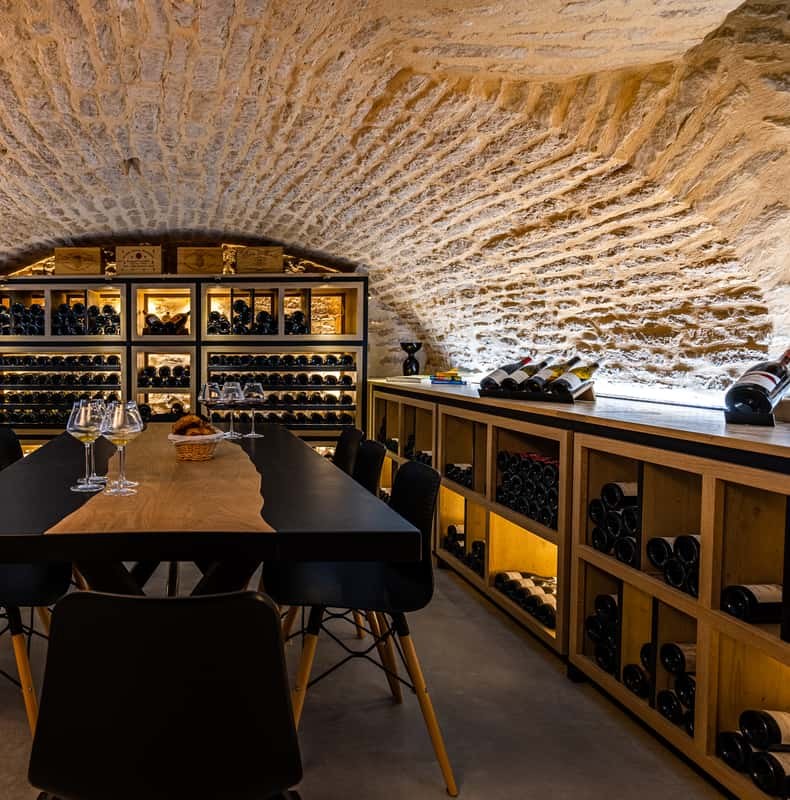
Dijon: La Cave du Palais Burgundy Wine Tasting Experience
Ninety minutes seated in the vaulted cellar under the Hôtel du Palais, five minutes' walk from Place de la République: six wines, from a regional appellation up to a Grand Cru, explained as you taste.
From $62 per person
Check Availability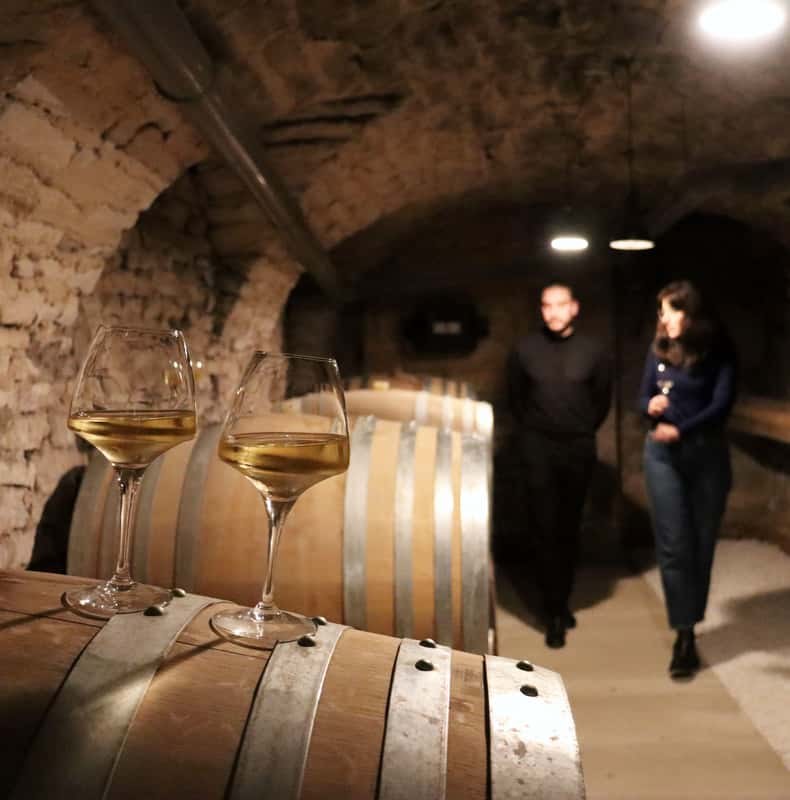
Historic Center of Dijon : Discovery Tasting Wine Burgundy
Ninety minutes at 32 rue Berbisey in a cellar from the 16th and 18th centuries: a Crémant, two whites and two reds, a tasting method, and a homemade gougère.
From $45 per person
Check Availability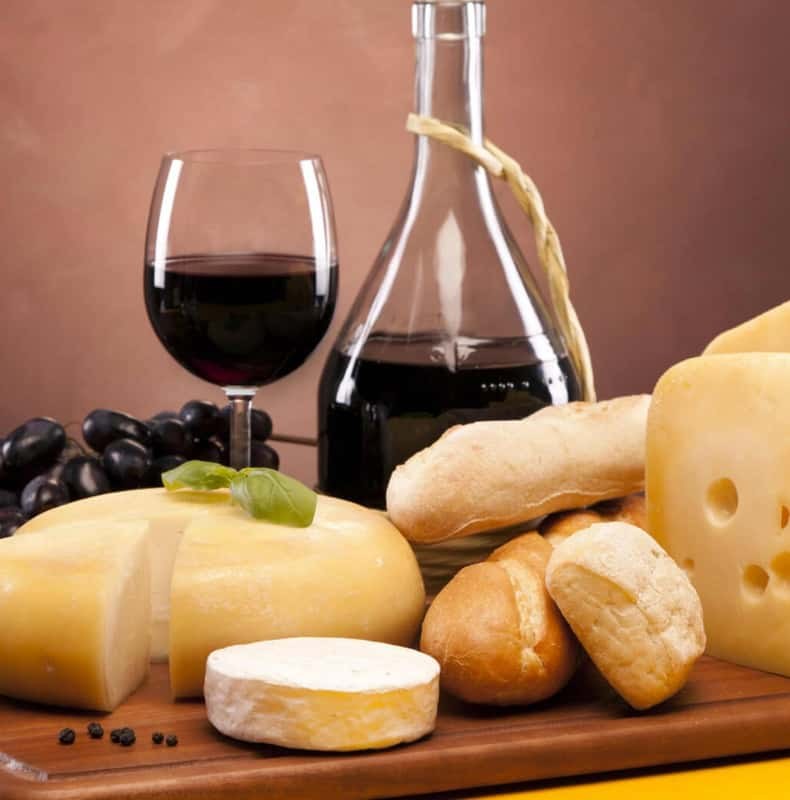
Food tasting of 4 Burgundy wines & 4 cheeses in the heart of Dijon
An hour at La Source des Vins, opposite Saint-Bénigne cathedral: four Burgundy wines, each poured with a regional cheese, so you are not tasting on an empty stomach.
From $55 per person
Check AvailabilityNext: Want the cellars that need a driver? Compare every day on the Côte on Dijon Wine Tours.