Two Days of Dijon Wine: an Itinerary for Wine Lovers
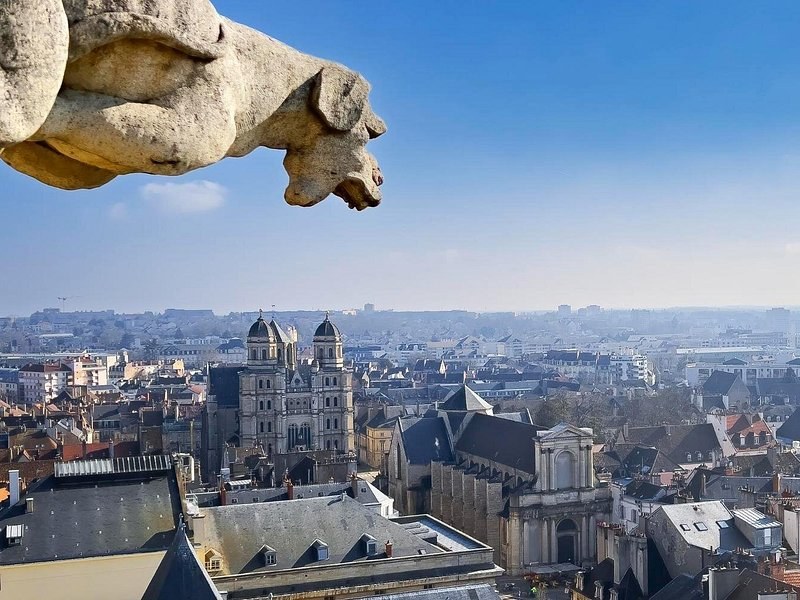
The short answer. Spend day one in the city: the owl trail, the Palais des Ducs and its tower, the Cité's 250 wines by the glass, and a seated cellar tasting in the evening. Spend day two on the Côte, on a full day from Place Darcy or an e-bike day from Saint-Bénigne. Sleep near the kerb your day two leaves from.
Two days is the right length for Dijon if wine is the reason you came. One day gives you either the city or the vines. Two give you both, in the order that suits a train arrival. Every stop here is a short walk from the next, and nothing needs a car until you decide you want one.
What does the plan look like at a glance?
| When | Where | What you do | Cost |
|---|---|---|---|
| Day 1, morning | Place Darcy to Notre-Dame | The owl trail, then the ducal palace | Free |
| Day 1, late morning | Palais des Ducs | The guided tower climb, 45 minutes | From EUR 6 |
| Day 1, afternoon | The Cité | Exhibitions, the wine cellar, the chapel | Free entry; you pay for glasses and shows |
| Day 1, evening | A cellar in the centre | A seated tasting, 60 to 90 minutes | $45 to $62 |
| Day 2, 9 am to 5 pm | The Côte | Three wineries, or an e-bike day with lunch | $249 or $250 |
| Day 2, evening | The old centre | Dinner, and the train if you are leaving | Your own |
Day 1 morning: the owl trail and the Palais des Ducs
Start at Place Darcy, where the owl trail begins. It runs through the pedestrian centre to the original owl, carved on a buttress of Notre-Dame. The legend says you stroke it with your left hand and make a wish.
From Notre-Dame it is a few minutes to the Palais des Ducs, the city's emblem and its town hall. The place royale in front was built as a hemicycle by Jules Hardouin-Mansart, and the Musée des Beaux-Arts fills the east wing with 1,500 works in 50 rooms. Check the museum's own site for its hours before you go.
Book the tower if you like a view. The Tour Philippe le Bon is a 15th-century watchtower, 46 metres high, with 316 steps to its terrace. The guided climb takes 45 minutes, costs from EUR 6, and runs daily from 10:30 am in French and English, 18 people at a time. It is free with the Dijon City Pass.
Day 1 afternoon: where can you taste at the Cité?
Eat lunch near Les Halles, the covered market, then walk or take tram T2 to the Cité internationale de la gastronomie et du vin. It is 15 minutes on foot from the centre, and entry is free. The exhibitions and workshops are ticketed; the rest you can wander.
The Cave de la Cité pours 250 wines by the glass every day, from 3,000 bottle references, 1,000 of them Burgundy. Taste a Marsannay, the Côte de Dijon's own appellation, beside a village wine from further south. Look into the chapel of Sainte-Croix de Jérusalem, built in 1459.
If you want structure, the École des vins de Bourgogne runs paid workshops here, from a first introduction to tasting to food and wine pairing. Check the dates on the Cité's site before you plan around one. The ticket desk opens 9:30 am to 7:30 pm from May to September, and 11 am to 5:30 pm on weekdays from October.
Day 1 evening: which cellar tasting should you book?
Book a seated tasting for the early evening. La Cave du Palais is the best-known: 90 minutes in a vaulted cellar under the Hôtel du Palais, six wines from a regional appellation up to a Grand Cru, for $62. The host explains the Climats and the vintages as you taste, and you can buy extra pours afterwards.
Two cheaper seats are close by. Les Caves de La Fine Heure on rue Berbisey pours a Crémant, two whites and two reds with a homemade gougère for $45. La Source des Vins, opposite Saint-Bénigne, pairs four wines with four regional cheeses for $55. All three are on wine tastings in Dijon.
Tip. Book the cellar for day one, not day two. After eight hours on the Côte, another six wines is a lot, and a first evening in a cellar teaches you the label words you will hear the next day. Start with the tasting vocabulary.
Day 2: which day on the Côte fits?
Be at 16 Place Darcy at 8:50 am for the Ophorus day. The minivan takes eight at most. You taste for 90 minutes at a Gevrey-Chambertin winery, drive on to Beaune for a second tasting and time in the old town, and finish at a winery near Meursault. The fare is $249 a person, with the tasting fees at three wineries included. Lunch in Beaune is yours.
On the way south you pass the Clos de Vougeot, the walled vineyard of the Cîteaux monks, and the villages whose names you tasted the night before. You are back at Place Darcy about eight hours after you left.
If you prefer white wine, swap in the À La Française day from Saint-Bénigne. It spends its hours in Puligny-Montrachet and Meursault, with lunch included, for $254.
Day 2 evening: where should you eat?
Stay in the old centre. Dijon claims five Michelin-starred restaurants, and a covered market, Les Halles, at the heart of the centre. Order the local things: snails, mustard sauces, and crème de cassis in a kir with Bourgogne Aligoté. Keep the wine light after a day of tasting.
If you bought bottles on the Côte, leave them at the hotel before dinner. A warm car or a restaurant cloakroom is no place for a Premier Cru.
Can you swap in the e-bike day?
Yes, if you ride and the forecast is dry. The Côte de Beaune e-bike day meets at Saint-Bénigne at 9 am. A minivan takes you to Meursault in 30 minutes, then you ride the vineyards for two hours, with an optional hour to Montrachet. Lunch is a charcuterie and cheese spread, then seven wines at a family winery. You are back in Dijon about 4:30 pm.
The fare is $250, with the e-bike, helmet and lunch included. Bottled water is not, so fill a bottle before you leave. For the Côte de Nuits on two wheels, the rue Monge e-bike day costs $579; both are on dijon bike wine tour.
What if it rains?
Keep the order and change the clothes. Dijon averages eight to eleven days of rain a month, so a wet day is likely at some point in the year. Underground nothing changes: the Côte de Beaune cellar on the e-bike day sits at about 14 °C, so bring a warm layer whatever the forecast.
On the e-bike day, bad weather can move you into a minivan, sometimes at the last minute. The tastings still run. On the minivan days, the photo stops in the vines are weather permitting. If day one is the wet one, the Cité and the museum keep you dry all afternoon. The month by month numbers are on the weather page.
What changes if you have a car?
You can drive the Route des Grands Crus yourself. It starts at kilometre zero in Dijon and runs south through the villages to Beaune and Santenay. Stop at the Clos de Vougeot, open every day, which sells a guided tour in English at 11:30 am and 3:30 pm for EUR 15, booked ahead.
The catch is the tasting: whoever drives should not drink. And the estates are working cellars, so write ahead before you turn up at one. A car suits a couple where one does not drink, or a second trip when you know which domains you want. For a first visit, a driver-guide makes the day easier.
Where should you sleep?
Sleep near the kerb day two leaves from. Place Darcy sits by the station end of the centre, so a hotel there means a two-minute walk at 8:50 am and an easy train home. Saint-Bénigne suits the À La Française and e-bike days. Both areas are inside the pedestrian centre, close to the cellars for day one.
The private days collect you at your hotel in Dijon or Beaune, so where you sleep matters less on those. Every quarter is on where to stay.
How do you get back to Paris?
By TGV. The Cité puts Dijon an hour and a half from Paris and from Lyon, and the station is ten minutes on foot from the Cité. The day tours return to the centre between 4:30 and 5:30 pm, so an evening train works on day two. Check SNCF for your date and leave yourself a margin, because traffic on the Côte can slow the return.
If you are carrying bottles, pack them in your hand luggage wrapped in clothes, or ask the seller whether it ships. The bottles you buy are never inside a tour's fare.
Frequently asked questions
Should you do the city or the vines first?
Can I join a wine tour from Dijon on a day trip from Paris?
Where can you leave bags on the last day?
Does the itinerary work on a Sunday?
Can I climb the Palais des Ducs tower?
What is the Dijon owl?
What happens on a bike tour if it rains?
Where do these facts come from?
Sight hours, prices and dates come from the official pages below. Everything about a tour comes from its own booking page. Check both before you travel, because both change.
- Destination Dijon: Dijon, capital of Burgundy
- Destination Dijon: the Tour Philippe le Bon, 46 metres up
- The Cité de la gastronomie, Dijon: official site
- The Cité de la gastronomie, Dijon: plan your visit
- Destination Dijon: vineyard excursions and the Route des Grands Crus
- Château du Clos de Vougeot: visits
Tours for the two days
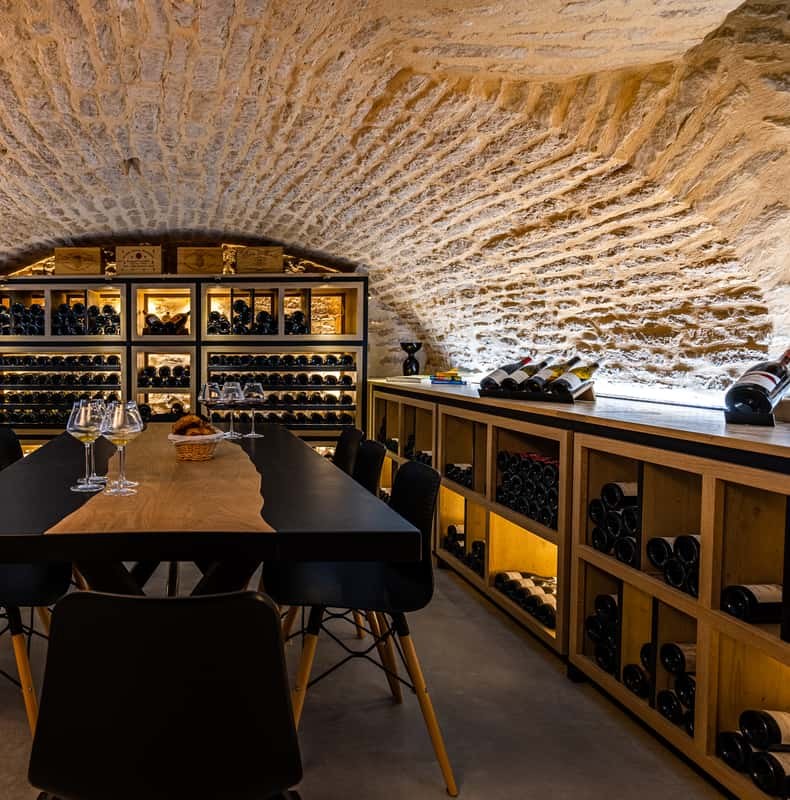
Dijon: La Cave du Palais Burgundy Wine Tasting Experience
Ninety minutes seated in the vaulted cellar under the Hôtel du Palais, five minutes' walk from Place de la République: six wines, from a regional appellation up to a Grand Cru, explained as you taste.
From $62 per person
Check Availability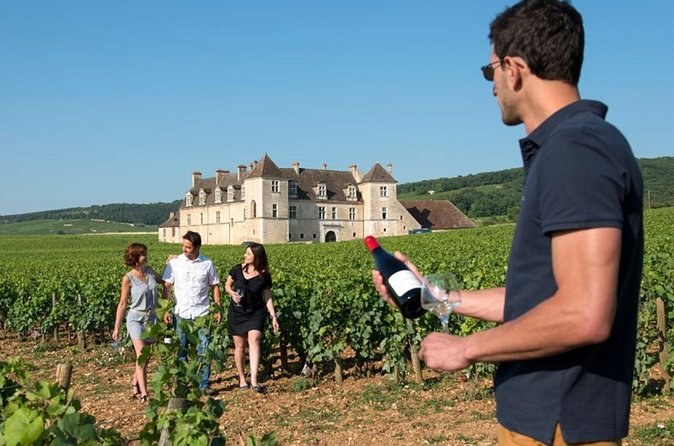
Dijon Wine Tour Côte de Nuits and Côte de Beaune Vineyards
Eight hours from 16 Place Darcy at 9 am: a 90-minute tasting in Gevrey-Chambertin, another in Beaune with time for lunch at your cost, and a third winery near Meursault.
From $249 per person
Check Availability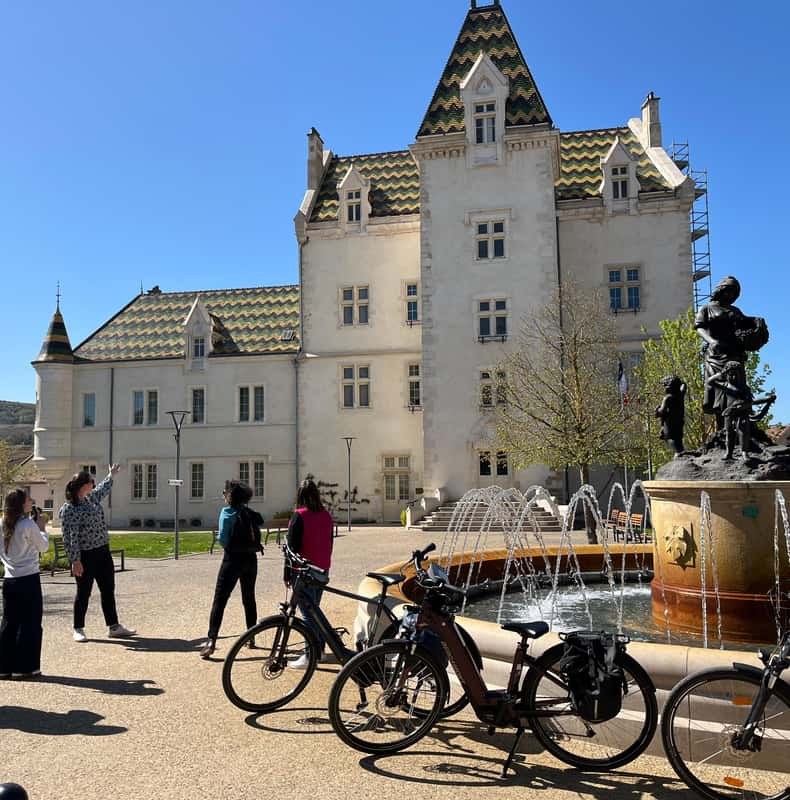
Dijon/Beaune: Full day Ebike Burgundy tour, tastings & lunch
From Saint-Bénigne at 9 am: a minivan to Meursault, two hours on an e-bike through the vines, a charcuterie and cheese lunch, and seven wines at a family winery. Back about 4:30 pm.
From $250 per person
Check AvailabilityNext: Ready to pick day two? Compare every day on the Côte on Dijon Wine Tours.